Data Curation- The Art of Selecting and Appraising Data
Here is the truth nobody likes to here: not all data is worth saving. We live in a time that generates information at a breathtaking pace, yet the instinct to keep everything can do more hard than good. Without thoughtful selection, repositories become cluttered warehouses where valuable datasets get buried under mountains of noise. that is why selection and appraisal sit at the very heart of good data curation.
What Do Selection and Appraisal Actually Mean?

Why We Cannot Keep Everything
There is no single checklist that fits every discipline, but common criteria tend to surface across the literature. Tallman and Work developed a practical framework rooted in traditional collection development principles, asking questions about a dataset's uniqueness, its potential for reuse, its technical sustainability, and its alignment with an institution's mission.
Cornell University Library, for instance, runs each submission through a curation review that includes file inventory, risk assessment, and appraisal before anything goes live. It is a careful, human process, not an automated sorting machine.
The Human Judgment Behind It All
What I find most compelling about appraisal is that it cannot be fully automated. Algorithms can flag duplicates or outdated formats, but deciding whether a dataset holds long-term scientific or cultural significance requires human judgment. It requires understanding context, recognizing potential, and sometimes making difficult calls about what to let go.
In that sense, selection and appraisal are not cold bureaucratic steps. They are acts of stewardship. Every time a curator decides a dataset is worth preserving, they are making a quiet promise: this matters, and we will take care of it.
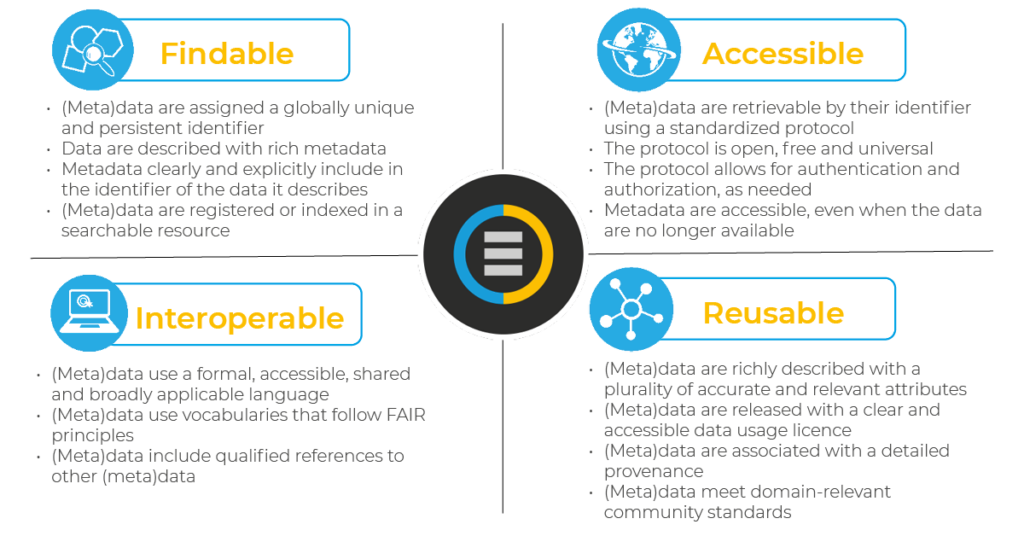
FAIR Data Principles- Findable, Accessible, Interoperable, Reusable
References
- Whyte, A. & Wilson, A. (2010). How to Appraise and Select Research Data for Curation. Digital Curation Centre.
- Digital Curation Centre. Appraisal and Selection. DCC Briefing Papers.
- Tallman, N. & Work, L. (2022). Appraisal and Selection for Digital Preservation. Penn State.
- Cornell University Library. Data Curation Service. Cornell Data Services.
- Zhang, Y. (2014). Appraisal and Selection for Digital Curation. ResearchGate.
- Lee, C.A. & Tibbo, H.R. (2011). Digital Curation and Trusted Repositories. Research Data Curation Bibliography.

Proper Brother man
ReplyDeleteGreat job
DeleteWonderful
ReplyDeleteWell explained and illustrated
ReplyDeleteNice one
ReplyDeleteGreat
ReplyDeleteGood job
ReplyDeleteInformative and easy to follow. This is a good write up.
ReplyDeleteWell done 🔥
ReplyDeleteYour way of articulating facts is so creative.Appraisal can indeed not be fully automated because there is a need for human judgement.Thank you for the wonderful job.
ReplyDeleteIndeed, no matter the unquenchable thirst to preserve everything, it is a failed idea for now.
ReplyDelete